Explore London England Scotland Wales About API
Southwark · SE1

Pardoner Street

Named for one of Chaucer’s most unforgettable pilgrims—a medieval con artist who sold fake relics and promises of forgiveness.

Named After
Chaucer Character
First Recorded
19th Century
Borough
Southwark
Last Updated
Time Walk

A Literary Link to Medieval Pilgrimage

Pardoner Street today is a residential quarter dominated by mid-twentieth-century flats and terraces, situated in the Chaucer ward of Southwark. The street forms part of a remarkable cluster of named streets that directly reference Geoffrey Chaucer’s Canterbury Tales—itself set in and around this very neighbourhood. The neighbourhood breathes literary heritage, though few of its current residents may know that they live on streets named after characters from a 600-year-old poem.

2010
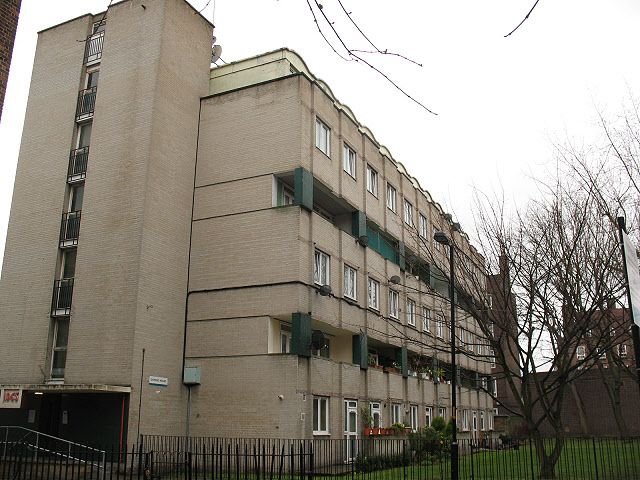
Dorking House, Pardoner Street, Southwark
Wikimedia Commons · CC BY-SA 2.0
2010
Tatsfield House, Pardoner Street
Wikimedia Commons · CC BY-SA 2.0
Historical image not found
Today
Dorking House, Pardoner Street, Southwark
Geograph · CC BY-SA 2.0

What makes this street distinctive is not what stands on it now, but what it represents: a topographical inscription of English literature into London’s geography. Nearby, Pilgrimage Street marks the ancient route pilgrims followed to Canterbury. Pardoner Street sits as a marker of the fictional world Chaucer created, a world rooted in the real Southwark of his own time. The street’s name arrived in the nineteenth century, long after Chaucer’s pilgrims had faded into history.

✦   ✦   ✦
Name Origin

A Merchant of Sin from the Tales

Pardoner Street is named after the character of the pardoner in Geoffrey Chaucer’s Canterbury Tales, by reference to the adjacent Pilgrimage Street. A pardoner was a medieval figure licensed to preach and collect money for causes, with letters of indulgence (a sort of annulment of sins) given to those who donated generously enough. In Chaucer’s hands, the Pardoner became one of the most vicious satires in English literature—a hypocrite who openly admitted his own corruption.

Chaucer’s Canterbury Tales, written between 1387 and 1400, tells of pilgrims on their way from Southwark, in south London, to the shrine of St Thomas Becket in Canterbury. The Pardoner carries with him fake relics and signed papal indulgences, which he uses to defraud the credulous. Chaucer was among those who denounced pardoners as peddlers of forgiveness. The street name is a direct literary reference, placed deliberately alongside Pilgrimage Street to evoke the great poem and the medieval tradition it depicts.

How the name evolved
c. 1800s Pardoner Street
present Pardoner Street
✦   ✦   ✦
Street Origin Products

Your listing has a better story than it’s telling

Pardoner Street honours Chaucer’s masterpiece. Here’s how to put literary history to work—and why it converts.

Professional Edition
Street Pack
“Why this address matters.”

Buyers pay more for addresses with a story. The Street Pack gives estate agents and developers brochure-ready copy, prestige framing and a name origin panel—everything needed to make this address feel significant before a viewing is booked.

  • Brochure copy — 100 & 200 word versions
  • Prestige framing version
  • Name origin panel
  • Timeline strip
  • Buyer persona framing
For estate agents, developers & property portals
From £19
Get the Street Pack
Street Social Kit
“Why this place feels interesting.”

Airbnb guests choose atmosphere as much as amenities. The Social Kit gives you five ready-to-post tiles, story templates, captions, hooks and a Reel script—all built from this street’s actual history. Done for you, in minutes.

  • 5 ready-to-post social tiles
  • 3 Story templates
  • 5 captions & 3 hooks
  • 1 Reel script
  • Hashtag clusters
For Airbnb hosts, boutique landlords & small agents
From £9
Get the Social Kit
✦   ✦   ✦
History

From Chaucer’s Southwark to Victorian Naming

Pardoner Street’s naming is an act of nineteenth-century literary romanticism. The street itself was formalised during an era when Southwark was being rebuilt and rationalised. The postcode is within the Chaucer ward, a ward named in deliberate homage to the poet. When the street was named, Victorian planners and property developers in Southwark consciously decided to invoke Chaucer’s pilgrimage and to name their new thoroughfares after characters and places from the Canterbury Tales.

Key Dates
1387–1400
Chaucer Writes
Canterbury Tales composed. Pilgrims gather at Tabard Inn in Southwark.
c. 1800s
Street Named
Pardoner Street formalised as part of Southwark development. Named after Chaucer character.
1980
Postcodes Introduced
Modern SE1 postcode system established for Southwark neighbourhood.
Did You Know?

The Tabard Inn, where Chaucer’s pilgrims gather, was a real inn that stood in Southwark. It was destroyed in a fire in 1676 and rebuilt, changing its name to the Talbot. The inn stood until it was demolished in 1873—by which time the streets around it were already being named after its most famous fictional guests.

The area around Pardoner Street has undergone enormous physical change since the Victorian era. Modern residential development, particularly in the post-war period, replaced much older housing stock. Yet the street names endure as a layer of literary memory imposed on Southwark’s geography.

✦   ✦   ✦
Culture

Literary Heritage in Street Names

Pardoner Street stands within a deliberately curated landscape of Chaucer references. The nearby Pilgrimage Street marks the medieval pilgrimage route itself, creating a network of streets that collectively tell the story of Chaucer’s poem. Other neighbouring streets similarly reference Chaucer’s characters, making this quarter of Southwark an open-air literary monument to the Canterbury Tales.

Chaucer’s Southwark Connection
The Real Geography of Fiction

Chaucer himself worked in London for decades, holding positions of responsibility in the royal household. His pilgrims gather in Southwark, a real place just outside the medieval city walls of London, where inns and taverns served travellers on the road to Canterbury. This genuine topography lends the Canterbury Tales an authenticity that resonates across the centuries.

The street names function as a form of public history—an attempt to immortalise the literary imagination within the urban grid. Every time a resident or visitor walks down Pardoner Street, they encounter a name that carries the weight of medieval satire, religious critique, and storytelling genius.

✦   ✦   ✦
On the Map

Pardoner Street Then & Now

National Library of Scotland — Ordnance Survey 6-inch, c. 1888. Hosted by MapTiler. Modern: © OpenStreetMap contributors.

✦   ✦   ✦
Today

Residential Southwark with Literary Resonance

Pardoner Street today is a quiet residential street in Southwark, lined with purpose-built flats and terrace housing typical of mid-twentieth-century London development. The architecture is functional rather than historic, reflecting the post-war rebuild that transformed much of this quarter. It is a working-class and mixed-income neighbourhood, anchored by transport links and local services.

What distinguishes the street from countless others in South London is not its buildings but its name—a literary artifact embedded in the urban landscape. Walking down Pardoner Street, one walks through a landscape shaped not just by commerce and planning, but by the enduring power of Chaucer’s fourteenth-century imagination. The street remains a living link between modern London and the pilgrimage roads of medieval England.

10–12 min walk
Southwark Park
Large Victorian park with riverside access, woodland, and open green space.
8–10 min walk
London Bridge Station Plaza
Public courtyard and market area with seasonal planting and gathering space.
5–7 min walk
Thames Riverside
South Bank Walkway with riverside gardens and public access to the Thames.
15 min walk
Burgess Park
Large community park with lakes, gardens, and cultural spaces.
✦   ✦   ✦

Frequently Asked Questions

Why is it called Pardoner Street?
The street is named after the Pardoner, a character from Geoffrey Chaucer’s Canterbury Tales (written 1387–1400). The Pardoner is a corrupt medieval cleric who sells fake holy relics and papal indulgences—promises of forgiveness—to gullible pilgrims. Chaucer created this character as a savage satire of church corruption and greed. The street name was assigned in the nineteenth century as part of a deliberate scheme by Southwark developers to name their thoroughfares after characters and locations from Chaucer’s poem, creating a literary geography that reflects the area’s historical connection to medieval pilgrimage.
What is the connection between this street and Chaucer’s Canterbury Tales?
Pardoner Street sits in an area of Southwark that is deeply rooted in the Canterbury pilgrimage tradition that Chaucer immortalised. Neighbouring Pilgrimage Street marks the actual medieval route pilgrims followed from London to the shrine of St Thomas Becket at Canterbury. The street naming deliberately links this quarter of Southwark to Chaucer’s pilgrimage narrative, where the Pardoner emerges as one of the most unforgettable—and morally questionable—figures in the travelling party. The Tabard Inn, where the pilgrims gather in the poem, was a real inn in Southwark, and this neighbourhood retains multiple street names drawn from the Canterbury Tales.
What is Pardoner Street known for?
Today, Pardoner Street is a residential area in Southwark dominated by modern flats and terraced housing, predominantly constructed in the twentieth century. The street forms part of the Chaucer ward, an area steeped in literary heritage. Its significance lies not in surviving medieval buildings but in its naming: it is one of a cluster of Chaucer-related street names that document an important chapter in English literature and the social geography of medieval London. The street serves as a tangible, everyday link between residents and one of the greatest works of English poetry.